
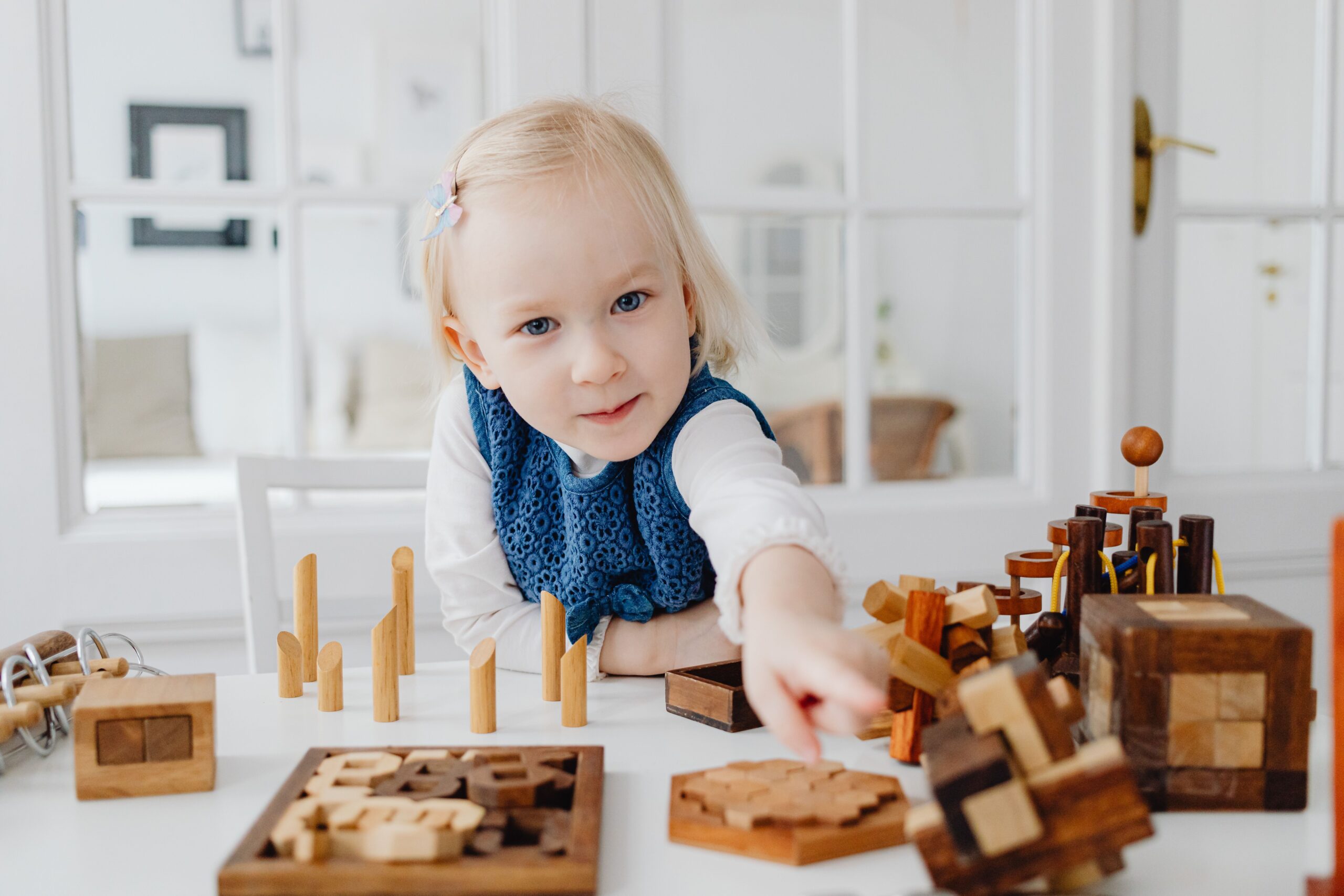
If you’ve ever handed a tablet to a bored kid on a rainy Saturday, or watched a classroom of ten-year-olds counting down the minutes until break time, you already know the appeal of a good puzzle game. They’re quiet. They’re quick to pick up. And unlike a lot of browser games, they don’t come with flashing violence or hyper-competitive multiplayer chaos — just a satisfying little challenge that keeps small hands and minds busy.
That’s exactly why “unblocked puzzle games for kids” has become such a common search. Parents want something safe. Teachers want something that won’t get flagged by the school’s content filter but also won’t turn a five-minute break into a distraction for the whole afternoon. And kids, honestly, just want something fun that doesn’t feel like a chore.
This guide covers everything you’d want to know before picking a puzzle game for a child: what makes these games worth playing, the different styles out there, how to judge whether a site or game is genuinely kid-safe, age-appropriate picks, and a few practical tips for parents and teachers who want screen time to actually be worth something.
What Does “Unblocked” Actually Mean?
Before going further, it’s worth clearing up what “unblocked” means, since it trips people up. Most schools and workplaces use content filters — tools like network firewalls or monitoring software — to block certain categories of websites, often including gaming sites, during school or work hours. “Unblocked games” simply refers to browser-based games that are hosted in a way that lets them slip past those broad content filters, usually because they’re simple HTML5 games rather than downloads or apps that trigger stricter blocking rules.
For puzzle games specifically, this is usually a non-issue in the first place. Puzzle games are quiet, non-disruptive, and often mistaken for educational content, so schools are frequently more relaxed about them compared to, say, shooting or racing games. Still, the “unblocked” label matters because it tells a parent or student that the game will actually load and run without a frustrating “access denied” screen.
Why Puzzle Games Specifically Are Great for Kids
Not every genre of game gives you the same value, and puzzle games earn their reputation honestly. Here’s why they tend to be the genre parents and teachers gravitate toward first.
They build thinking skills without feeling like homework. A puzzle game that asks a child to sort shapes by color, or figure out the shortest path through a maze, is quietly exercising pattern recognition, spatial reasoning, and problem-solving. Kids don’t notice they’re “learning” — they just notice they’re having fun trying to beat their own best time or finish one more level.
They’re low-stimulation compared to most other game genres. Action games, shooters, and fast racing games rely on adrenaline, quick reflexes, and often a fair bit of visual noise — flashing effects, loud sound design, constant motion. Puzzle games are the opposite. They tend to be calm, deliberate, and forgiving of mistakes, which makes them a much better fit for younger children or for use right before nap time, quiet reading periods, or bedtime.
They’re genuinely replayable. A good matching game or logic puzzle doesn’t get old after one playthrough the way a linear story-based game might. Randomized layouts, increasing difficulty, and simple “beat your own score” mechanics mean kids can come back to the same game dozens of times without getting bored.
They scale with age. A three-year-old and a ten-year-old can both enjoy puzzle games — they just need different levels of complexity. This makes puzzle games one of the few genres that a family with kids of different ages can all get some use out of.
They tend to be lightweight and reliable on old or shared devices. Because most puzzle games are simple HTML5 builds without heavy 3D graphics, they run smoothly even on aging school Chromebooks, shared library computers, or a hand-me-down tablet — no lag, no crashing, no need for a powerful GPU.
The Main Types of Unblocked Puzzle Games for Kids
“Puzzle game” is a broad label, and it helps to break it down into a few real categories, since each one suits a slightly different age range and mood.
Matching and Sorting Games
These are the simplest and most approachable puzzle games out there — think matching pairs of cards, sorting colored balls into the right containers, or lining up identical shapes. They’re perfect for younger kids (roughly ages 3–7) who are still building basic pattern-recognition skills, but they’re also a nice, low-effort option for older kids who just want a quick mental palate cleanser between more demanding games or schoolwork.
Physics-Based Puzzles
These games introduce a layer of “figure out how things move” thinking. A child might need to stack blocks without letting a tower topple, roll a ball through a course using ramps and switches, or drop objects into exactly the right spot to trigger a chain reaction. These are especially good for kids around 6–12, since they reward experimentation — if a strategy doesn’t work, trying again with a small adjustment usually gets the job done, which is a great, low-stakes way to practice persistence.
Logic and Number Puzzles
Grid-based logic games — the kind where you fill in numbers, avoid repeating a pattern in a row, or work out a sequence — are a step up in difficulty and tend to suit slightly older kids, roughly 8 and up, who are ready for a puzzle that takes real sustained thought rather than quick trial and error. These games are excellent for building the kind of patient, step-by-step reasoning that shows up later in math class.
Maze and Pathfinding Games
Navigating a character through a maze, avoiding dead ends, or finding the most efficient path to a goal builds planning skills in a way that feels like an adventure rather than a worksheet. These games are flexible — simple mazes work for younger kids, while more elaborate multi-path versions with obstacles can challenge older children.
Word and Letter Puzzles
Simple word-building, letter-matching, or spelling-based games sneak in a bit of literacy practice. These tend to work best for kids who are already comfortable reading, roughly 6 and up, and they’re a favorite among teachers looking for something that’s technically a “game” but still supports classroom learning goals.
Jigsaw and Picture Puzzles
Classic digital jigsaw puzzles — dragging pieces into place to complete a picture — remain a reliably calming option for kids of almost any age, since the difficulty is easy to adjust just by changing the number of pieces.
How to Tell If a Puzzle Game (or Site) Is Actually Kid-Safe
The word “kids” gets slapped on a lot of gaming sites without much thought behind it, so it’s worth knowing what to actually check before handing a child the controls.
Look at the visuals and tone first. Even puzzle games can occasionally have mildly unsettling themes (horror-adjacent art styles have crept into the genre more than you’d expect). A quick scroll through screenshots or a minute of gameplay is usually enough to confirm a game is genuinely bright, friendly, and low-stress.
Check what happens when you fail. Good kids’ puzzle games treat mistakes gently — a soft reset, an encouraging message, maybe a small sound cue — rather than jarring fail screens or aggressive timers.
Watch out for ads and fake buttons. This is probably the single biggest safety issue on lower-quality gaming sites. Some sites surround games with ads designed to look like “Play” or “Download” buttons, which is confusing and occasionally risky for kids who don’t yet know to be suspicious of that kind of thing. A well-built kids’ games page keeps ads clearly separated from the game itself, or skips them where possible.
No account creation or personal details required. A puzzle game aimed at kids shouldn’t ask for an email, a birthdate, or any kind of sign-up. If it does, that’s a sign it’s not really built with a young audience in mind.
It should just work, instantly. No downloads, no plugins, no “install this extension first.” If a game needs anything beyond a click to start playing, it’s probably not the right fit for a classroom setting or a quick session at home.
Practical Tips for Parents and Teachers
A few small habits make puzzle games actually valuable rather than just a way to pass time:
- Use a timer, not a game count. Puzzle games are endlessly replayable, so “one more game” can turn into forty-five minutes fast. A simple 10–15 minute timer keeps things balanced without feeling like a punishment.
- Ask kids to explain their strategy out loud. A quick “how did you figure that one out?” turns a game into a small thinking exercise and gives you a natural window into how a child is reasoning through problems.
- Rotate between easy and hard puzzles. Sticking to only easy games gets boring fast; sticking to only hard ones causes frustration. A mix keeps kids engaged and gives them a sense of progress.
- Preview new games yourself first, especially the first time you introduce a new site or app. It takes a minute and saves potential headaches later.
- Treat it as a break, not a babysitter. Puzzle games are genuinely good for short mental breaks, but they work best as one part of a well-rounded day rather than a default fallback for every spare moment.
Final Thoughts
Puzzle games occupy a nice, sensible spot in the world of kids’ browser games — engaging enough to hold attention, gentle enough not to overstimulate, and flexible enough to suit almost any age or setting, from a school Chromebook during a five-minute break to a lazy weekend afternoon at home. Whether it’s a toddler matching colorful shapes, a nine-year-old working through a tricky maze, or a middle schooler grinding out a tough logic puzzle, there’s a genre and difficulty level for pretty much every kid.
If you’re building out or exploring a puzzle games section on a kids’ gaming site, organizing games by type — matching, physics, logic, maze, word, and jigsaw — along with a rough sense of age range, makes it far easier for both parents and kids to quickly land on something that actually fits what they’re looking for.
